Egyptian Cotton vs. Giza 45: Navigating Premium Sheet Materials for Lasting Comfort
A careful exploration of textile fibers, weaving, and care practices that shape the daily touch of luxury linens. This article draws on historical context, material science, and practical guidance to help readers discern between general Egyptian cotton and the elite Giza 45, with insights applicable to a broad range of premium bedding.
Context: The lineage of luxury cottons
Cotton has long been associated with comfort, durability, and a quiet, everyday luxury. Within the hierarchy of cottons, Egyptian cotton is the umbrella term that signals high quality, widely grown along the Nile with a historical aura of fineness. Yet the label alone does not guarantee superior experience; the fiber’s true character depends on length, fineness, and the way those fibers are spun, woven, and finished.
Within this landscape, Giza 45 stands as a pinnacle—an extra-long staple variety known for exceptional length, strength, and uniformity. When textile houses reference Giza 45, they invoke a standard of refinement that translates into a smoother hand, greater durability, and a sheen that remains stable after repeated washing. Understanding how this fiber compares to broader Egyptian cotton helps readers align texture, performance, and care with their preferences and climate realities.
Fiber quality and what it means in everyday use
Fiber length is a defining characteristic. Long-staple fibers—in particular, those of extra-long-staple varieties—possess superior strength and a smoother surface. In practical terms, this translates to sheets that feel silkier to the touch, resist pilling over time, and drape with controlled weight. Giza 45, a renowned Egyptian long-staple cotton, benefits from meticulous cultivation and processing, which yield a consistent, premium fiber that responds beautifully to refined weaving.
For general Egyptian cotton, the spectrum is broader. It can include shorter or mid-staple fibers and a wider range of finishing practices. The result is a range of feels—from crisp and cool to soft and plush—depending on fiber selection, thread count, and weave. The distinction, then, is not merely a number on a label but the chain of decisions from field to loom to laundry.
Weave, weight, and warmth: how texture shapes comfort
Weave type shapes air flow, surface feel, and thermal performance just as much as fiber length. Percale, a tight one-over-one-down weave, yields a crisp, breathable surface with a matte finish. It is favored in warm climates or for sleepers who prefer a cooler surface. Sateen, by contrast, uses a higher twist and fold to produce a soft, luminous surface with a slightly satin sheen. It tends to feel warmer and more enveloping, thanks to the single, continuous plane of threads that traps a touch more air against the skin.
Giza 45 fibers, when woven into a percale or sateen, often reveal the nuanced advantages of the material: a compact hand with a natural resilience, a balance of breathability and drape, and a surface that holds color and pattern well through cycles of washing. The consumer experience—softness, durability, and ease of care—emerges from this careful pairing of fiber and weave.
Care and preservation: keeping loft and color over time
The longevity of premium sheets rests on consistent care. Water temperature, detergent choice, drying method, and handling all contribute to fiber integrity and color retention. In general, washing in warm to cool water with a mild, phosphate-free detergent preserves the fiber’s strength and reduces color fading. Avoiding harsh bleaches or strong alkaline agents helps prevent fiber breakage and surface roughness that can compromise the perceived smoothness of the fabric.
Tumble drying on low or line drying can protect the fibers from excessive heat. A gentle iron set to a cotton setting, used sparingly, helps maintain a crisp look for percale sheets while also preserving the smoothness of sateen finishes. For Giza 45, these practices tend to sustain loft and sheen, allowing sheets to feel youthful longer, especially in households that prioritize a balance of performance and aesthetics.
Practical guidance: choosing between Egyptian cotton and Giza 45
For hot sleepers or climates with high humidity, percale weaves in Egyptian cotton—whether general or Giza 45—tend to shine due to their breathability and cooler hand. If a reader values a quietly luxurious surface with a slightly warmer feel and a glow that remains even after many washes, a sateen weave using Giza 45 can deliver that refined, day-to-night softness.
Thread count is a factor that deserves nuance. While high thread counts (often 300–600) are marketed as luxuriously dense, the real performance hinges on fiber quality, weave structure, and finishing. As a rule of thumb, a quality Giza 45 sheet at a mid-to-high thread count (for example, 600) can provide a stable loft, a refined surface, and durable color retention, more consistently than a similar count in a lower-grade fiber.
Case studies: a walk through time and texture
To illuminate the discussion, consider three historical perspectives that inform our understanding of premium linens: a monarch-court era artisan, a modern textile scientist, and a contemporary designer-curator. Each offers a lens on how fibers, craft, and care converge to shape tactile memory and daily ritual.
1) An era of royal linens: the artisan-weaver’s skill
Across centuries, households of nobility and ceremonial households valued long-staple fibers and meticulous loom work. The discipline of selecting fibers, maintaining loom tension, and applying precise finishing touches created sheet surfaces that spoke of status and refinement. While the names of specific artisans fade from memory, their legacy persists in the quiet, crisp hand of a well-woven percale or the soft lull of a sateen that never looks dull after repeated washing.
2) The scientist’s eye: fiber morphology and performance
In the 20th and 21st centuries, textile science brought a new vocabulary to the craft: fiber length, tensile strength, and surface morphology. Giza 45 exemplifies the marriage of natural excellence and controlled processing. A scientist’s note might point to the fiber’s microstructure, where a long, smooth crystalline region reduces fuzzing and pilling, preserving a surface that remains even and luminous after dozens of launderings.
3) The contemporary designer-curator: pairing comfort with ritual
Today’s designers curate textiles not only for touch and durability but for the storytelling power of texture. Giza 45 sheets, when paired with a crisp percale or a sumptuous sateen, become a canvas upon which a room’s mood is built. The choice reflects a philosophy: invest in fibers that age gracefully, in weaves that breathe with you, and in care routines that honor the material’s integrity.
Connecting to the broader knowledge base
Beyond fiber type, readers may explore related topics within this site’s broader editorial framework, including:
- Glossary of fiber terms: Giza 45, long-staple cotton, percale, sateen, weave, ply, and more.
- Care charts: printable guides for washing, drying, and ironing by fabric type.
- Material comparisons: Egyptian cotton vs. Pima cotton; linen vs. cotton in premium bedding.
- Seasonal bedding strategies: how to layer sheets, duvets, and coverlets for comfort year-round.
A curated example: showcasing a premium sheet-related product
To illustrate a premium layering approach, consider the following product that embodies the quality discussed in this article:
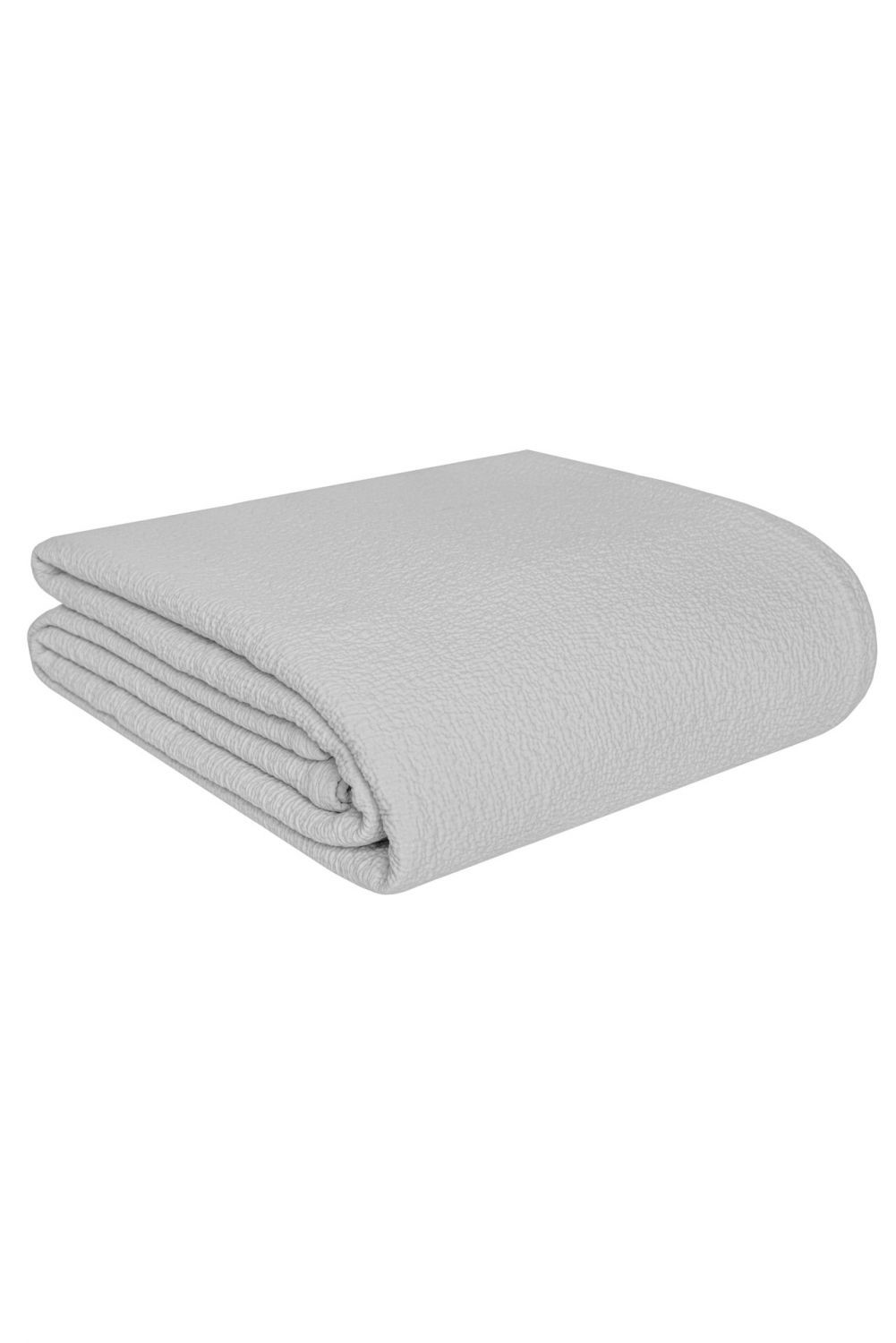
Bovi Lucca Matelassé Coverlet
A timeless layering piece crafted from 100% cotton, featuring a softly textured matelassé pattern. Lightweight and breathable, it offers year-round comfort with a relaxed drape. Available in White, Ivory, Silver, and Latte, it pairs effortlessly with premium linens for a curated bed ensemble.
Price: $407.00
The inclusion of this item demonstrates a practical bridge between the article’s educational core and tangible, high-quality textiles that readers may incorporate into their own homes. While the focus remains non-commercial in essence, such product references provide a tactile sense of how premium materials translate into everyday luxury.
Closing reflections: choosing thoughtfully, living beautifully
The distinction between Egyptian cotton and Giza 45 is a matter of fidelity to fiber, weave, and care. By looking beyond labels to fibers’ true characters, readers can select sheets that honor their climate, sleep style, and daily routines. The goal is to fuse scientific understanding with sensorial memory—softness that endures, color that resists dulling, and a surface that invites calm at day’s end.
In the end, premium linens are not merely objects of luxury; they are daily companions that shape how we rest, reset, and wake. The journey from field to fabric to fold is a narrative of craft, science, and careful stewardship—one that invites readers to slow down, learn, and curate a sleeping space that feels both timeless and personal.